Table of Contents
Why Writing a Recipe in English Expands Your Kitchen Story
Sharing a receita de comida em inglês opens doors to a global community of home cooks, food enthusiasts, and potential readers who may not speak your native language. English functions as a common culinary language, allowing your techniques, flavor tips, and cultural background to travel beyond local circles. When you translate your recipe thoughtfully, you preserve the essence of the dish while making it accessible, whether someone is browsing a blog, watching a cooking video, or following notes on a phone in a foreign market.
Clear English recipes can also improve discoverability online, because many international cooks search using terms like "easy dinner recipes," "healthy breakfast ideas," or "traditional dessert instructions." By focusing on receita de comida em inglês phrasing that is natural and precise, you align with common search behavior while staying true to your culinary voice. This balance between authenticity and accessibility helps your content rank well and resonate with readers who feel invited, not overwhelmed, by the process.
Essential Parts of a Well-Structured English Recipe
A strong recipe in English begins with a warm, inviting title that hints at flavor, origin, or technique, such as "Creamy Coconut Lentil Curry" or "Brazilian Cheese Bread Made Easy." Below the title, include a short introduction that shares a personal memory, cultural context, or practical tip, so readers understand why this dish matters and how it fits into real life. Next, list your ingredients in the order you will use them, with measurements given in both metric and imperial units when possible, because this flexibility supports cooks in different regions and makes your receita de comida em inglês feel inclusive.
The method section should read like a friendly guide, using simple verbs like "whisk," "simmer," "fold," and "rest" to keep instructions clear and confident. Break steps into short sentences or brief paragraphs, highlight timing and temperatures, and mention visual or tactile cues, such as "the sauce thickens when it coats the back of a spoon." To reinforce trust and clarity, you can add small notes about substitutions, storage, and reheating, all framed in natural English that matches the tone of your receita de comida em inglês without sounding overly technical.
Using Clear Language and Active Voice in Recipe Writing
Active voice makes instructions direct and easy to follow, so instead of writing "The onions should be chopped by you," say "Chop the onions." This approach keeps the focus on the action and the cook, which is especially helpful for people who are new to English or to the cuisine you are describing. When you describe a receita de comida em inglês, choose strong action words, avoid unnecessary filler, and keep each step focused on one task so there is no confusion about what to do next.
Consider your reader's real-world conditions, such as a noisy kitchen or a small screen, and design steps that are scannable. Use bullet points for lists, short paragraphs for major stages, and bold or emphasis for key warnings or time-sensitive actions, even if you are not using markdown in the final format. Phrases like "let the dough rise until it doubles in size" or "taste and adjust seasoning before serving" give confidence to cooks who may be using the recipe in a language that is not their first, strengthening the usefulness of your receita de comida em inglês.
Adapting Flavors and Techniques for an International Audience
When you write a recipe in English, it is helpful to explain unfamiliar ingredients and offer accessible alternatives, so readers do not feel blocked by missing items. Describe textures and flavors in relatable ways, such as "the crust becomes crisp and shaggy, similar to a rustic baguette," and mention common pantry swaps, like using Greek yogurt instead of sour cream. This guidance supports your receita de comida em inglês by reducing frustration and encouraging experimentation, especially for cooks who may be working with different climate conditions or local produce.
Cultural context can also enrich your recipe, especially when you share how a dish is served, which holidays it appears on, or how families typically eat it. Brief notes about regional variations, such as spicier versions in one city or milder styles in another, help readers understand that cooking is flexible, not rigid. By framing your receita de comida em inglês as a living tradition rather than a rigid script, you invite readers to adapt it to their homes, remember it better, and possibly share their own twists in comments or their own posts.
Practical Tips for Translating and Testing Your Recipe
Translating a beloved family recipe requires more than word-for-word substitution; it asks you to think about how English speakers naturally talk about cooking steps and ingredients. Read your draft aloud, imagine a friend following it in their kitchen, and adjust any awkward phrasing, ambiguous measurements, or confusing sequences. Testing the recipe in English, if possible, or asking an English-speaking friend to review it, helps you catch confusing terms, unrealistic timing, or units that might trip up beginners, so your receita de comida em inglês feels reliable and reassuring.
Finally, optimize your recipe for both human readers and search engines by including natural variations of your main phrase, such as "English recipe," "easy dinner ideas," or "step-by-step cooking instructions," without forcing them. Use descriptive subheadings, concise ingredient lists, and a friendly tone that reflects your personality, making your receita de comida em inglês stand out as useful, trustworthy, and enjoyable to cook. With thoughtful structure, clear language, and genuine storytelling, your recipe can become a favorite in kitchens around the world.
Related Videos
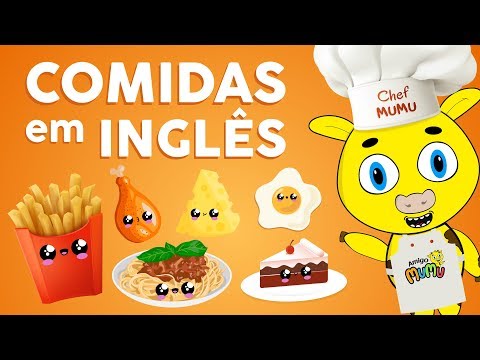
Comidas em inglês - Alimentos em inglês
Olá amiguinho, nesse vídeo você vai aprender como falar e escrever o nome de algumas comidas em inglês. Aprenda inglês de ...
Conclusion
Writing receita de comida em inglês is about more than translation; it is about sharing your culinary passion in a way that feels clear, welcoming, and practical for a global audience. By organizing your recipe with care, choosing active and precise language, and anticipating the questions an international cook might have, you turn a simple list of instructions into an engaging kitchen experience. With each thoughtfully written recipe, you not only preserve flavors and traditions but also invite new cooks to join your story, try your methods, and proudly recreate your dish in their own homes.
