Table of Contents
- The Linguistic Structure of the Plural Form
- Theological Significance and Addressing the Saints
- Liturgical Usage in Modern Worship
- Cultural Variations Across Spanish and Portuguese Speaking Worlds
- Personal Devotion and the Shift from Singular to Plural
- Conclusion: The Enduring Power of the Plural Greeting
Understanding the nuances of Plural de Ave Maria begins with recognizing how this sacred greeting transforms in language, liturgy, and personal devotion when addressed to multiple holy figures or a community of believers.
The Linguistic Structure of the Plural Form
In many Romance languages, the standard greeting "Ave Maria" enters a fascinating grammatical territory when adapted for more than one person. The creation of the Plural de Ave Maria follows specific rules that vary across traditions, reflecting the culture's approach to reverence and number. In Spanish, for example, one might say "Ave María" for one person, but switch to "Ave Maríais" or more commonly "Ave Marías" when invoking multiple saints or a group of holy women, demonstrating a shift in both pronunciation and spelling. Similarly, in Portuguese, the phrase often remains "Ave Maria" even in the plural context, relying on the surrounding nouns or verbs to convey the quantity, which highlights a more flexible grammatical approach in some liturgical settings.
These variations are not merely academic; they carry weight in how communities express collective veneration. The Plural de Ave Maria can appear in hymns, rosary instructions, or formal prayers where the distinction between addressing one angelic messenger and addressing a choir of saints becomes theologically significant. Grammarians and liturgists often study these forms to understand how language shapes religious identity. The simple act of adding an 's' or changing a vowel root is a powerful linguistic tool that turns a personal petition into a communal hymn. This subtle shift connects the individual soul to the broader Church, making the plural form a bridge between the personal and the universal.
Theological Significance and Addressing the Saints
Theologically, the Plural de Ave Maria expands the scope of intercession. While the singular form focuses on the grace received by the Virgin Mary herself, the plural form often extends the greeting to include the communion of saints. In certain devotional practices, particularly within the Eastern Orthodox traditions, greetings are often multiplied to honor the entire host of heaven. This transforms the prayer from a simple hail into an acknowledgment of the vast spiritual family that surrounds the faithful on earth. It reinforces the idea that the faithful are not alone but are surrounded by a great cloud of witnesses.
When a priest or a layperson uses the plural form during a service, they are making a statement about unity and shared grace. It signifies that the mercy asked for is not for an isolated individual but for a group, a parish, or even the whole world. This aligns with the core Christian principle of loving one's neighbor and seeking divine blessing for the community. The Plural de Ave Maria thus becomes a vessel for ecclesial solidarity, reminding the congregation that their prayers are intertwined and that the grace of God flows through the collective body of believers.
Liturgical Usage in Modern Worship
In contemporary liturgy, the Plural de Ave Maria finds a prominent place in various adaptations of the Rosary and the Angelus. During group recitations, such as in churches or during Catholic pilgrimage events, the prayer is often recited in the plural to unify the voices of the participants. This collective recitation creates a powerful acoustic and spiritual atmosphere, turning the ritual into a shared emotional experience. The repetition of the plural form helps to synchronize the breathing and intentions of the congregation, fostering a sense of shared purpose.
Furthermore, modern worship music frequently incorporates the plural greeting into its lyrics. Gospel choirs and contemporary Christian artists might use variations like "Ave Marias" or "Hail Marys" to invoke a sense of grandeur and inclusivity. This adaptation ensures that the ancient prayer remains vibrant and accessible to new generations. The flexibility of the Plural de Ave Maria allows it to be sung slowly in contemplation or shouted joyfully in celebration, demonstrating its enduring appeal across different styles of worship.
Cultural Variations Across Spanish and Portuguese Speaking Worlds
Exploring the Plural de Ave Maria reveals a rich tapestry of cultural differences between Spanish-speaking and Portuguese-speaking communities. In Spain and Latin America, the use of "Ave María" in the plural is often accompanied by specific regional intonations and rhythmic patterns. These variations can denote different religious orders or local customs, turning the prayer into a marker of cultural identity. For instance, the way the plural is sung during Semana Santa processions differs significantly from its recitation in a quiet home rosary, showcasing the depth of its cultural embedding.
Portuguese-speaking regions, particularly in Brazil and Portugal, exhibit their own distinct approaches. While the structure of the phrase may remain similar, the emotional tone and musical accompaniment vary widely. In Brazilian evangelical communities, the plural greeting might be delivered with the same fervor as a pop song, while in traditional Catholic parishes, it might be delivered in a more subdued, melodic fashion. This diversity highlights that the Plural de Ave Maria is a living language, constantly evolving to fit the emotional and cultural needs of its speakers.
Personal Devotion and the Shift from Singular to Plural
For the individual practitioner, moving from the singular to the Plural de Ave Maria can be a profound spiritual exercise. It shifts the focus from a personal request to a broader act of solidarity. A person might begin their day by praying "Ave Maria" for their own intentions, but conclude by praying the plural form for the safety of their family, the peace of their city, and the healing of the world. This progression mirrors the Christian journey from self to service, from individual salvation to communal redemption.
This shift also encourages a sense of humility. By addressing many holy figures at once, the practitioner acknowledges that they are part of a larger whole. The Plural de Ave Maria reminds us that our prayers are never isolated; they are part of a vast network of divine intercession. Whether whispered in a chapel or sung in a cathedral, the plural form connects the believer to history, tradition, and the countless others who have uttered the same words before them.
Related Videos
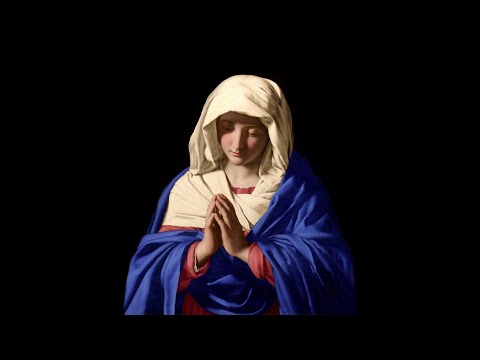
Ave Maria instrumental - Muitas horas de relaxamento, meditação e harmonia.
Ative o sininho para receber notificações de novos vídeos! Deixe suas dúvidas nos comentários e vamos conversar sobre esse ...
Conclusion: The Enduring Power of the Plural Greeting
The Plural de Ave Maria is far more than a grammatical curiosity; it is a powerful symbol of community, theological depth, and linguistic beauty. It transforms a simple greeting into a profound act of worship that binds individuals together in shared faith. By exploring its structure, significance, and usage, we gain a greater appreciation for how language shapes our spiritual lives.
Whether recited in a grand cathedral or murmured in a quiet room, the plural form continues to resonate with believers across the globe. It serves as a reminder that faith is rarely a solitary journey. Embracing the richness of the Plural de Ave Maria allows us to connect more deeply with our religious traditions and with one another, ensuring that this ancient prayer remains a vital and dynamic part of modern spirituality.
