%22%3E%0A%3Cstop%20offset%3D%220%22%20stop-color%3D%22%230c4a6e%22%2F%3E%0A%3Cstop%20offset%3D%220.55%22%20stop-color%3D%22%230284c7%22%2F%3E%0A%3Cstop%20offset%3D%221%22%20stop-color%3D%22%237dd3fc%22%2F%3E%0A%3C%2FlinearGradient%3E%0A%3CradialGradient%20id%3D%22r%22%20cx%3D%220.5%22%20cy%3D%220.35%22%20r%3D%220.7%22%3E%0A%3Cstop%20offset%3D%220%22%20stop-color%3D%22%23fff%22%20stop-opacity%3D%220.18%22%2F%3E%0A%3Cstop%20offset%3D%221%22%20stop-color%3D%22%23fff%22%20stop-opacity%3D%220%22%2F%3E%0A%3C%2FradialGradient%3E%0A%3C%2Fdefs%3E%0A%3Crect%20width%3D%22400%22%20height%3D%22225%22%20fill%3D%22url(%23g)%22%2F%3E%0A%3Ccircle%20cx%3D%22232%22%20cy%3D%2248%22%20r%3D%22131%22%20fill%3D%22%237dd3fc%22%20fill-opacity%3D%220.25%22%2F%3E%0A%3Ccircle%20cx%3D%22220%22%20cy%3D%22173%22%20r%3D%2269%22%20fill%3D%22%230c4a6e%22%20fill-opacity%3D%220.35%22%2F%3E%0A%3Crect%20width%3D%22400%22%20height%3D%22225%22%20fill%3D%22url(%23r)%22%2F%3E%0A%3Ctext%20x%3D%22200%22%20y%3D%22155%22%20text-anchor%3D%22middle%22%20font-family%3D%22-apple-system%2CSegoe%20UI%2CRoboto%2Csans-serif%22%20font-size%3D%22170%22%20font-weight%3D%22800%22%20fill%3D%22%23fff%22%20fill-opacity%3D%220.12%22%3EP%3C%2Ftext%3E%0A%3C%2Fsvg%3E)
Table of Contents
Major Regions of the Human Body in English
The human body can be divided into several large regions, and learning the partes do corpo humano ingles names for these areas is a great starting point. The head includes the skull, face, and neck, while the torso covers the chest, abdomen, and back. The upper limbs consist of the shoulders, arms, elbows, forearms, wrists, and hands, and the lower limbs include the hips, thighs, knees, legs, ankles, and feet.
When studying partes do corpo humano ingles, it is helpful to group structures logically. For example, the trunk contains vital organs such as the heart and lungs, protected by the rib cage, while the limbs are designed for movement and manipulation. By mastering these main regions, you build a solid foundation for more detailed anatomy later on.
The Head, Neck, and Face
The head houses the brain, the control center of the nervous system, and is protected by the skull. Sensory organs such as the eyes, ears, nose, and tongue allow us to see, hear, smell, and taste, while the mouth enables speaking and eating. In the context of partes do corpo humano ingles, terms like forehead, cheek, chin, jaw, and neck are commonly used to describe the front and side structures.
On the side of the head, you have the temples, and at the back, the occipital region covers the base of the skull. The neck, or cervical area, connects the head to the torso and contains important blood vessels and the windpipe. Learning these specific partes do corpo humano ingles labels helps in describing symptoms, injuries, or exercises with precision.
Torso, Chest, and Abdomen
The torso, also called the trunk, is the central part of the body and includes the chest, abdomen, and pelvis. The chest, or thoracic region, protects the heart and lungs, and is surrounded by the rib cage. Common partes do corpo humano ingles terms for this area include sternum, ribs, and diaphragm, which work together to support breathing and circulation.
Below the chest lies the abdomen, which houses the stomach, liver, intestines, and other digestive organs. In English, you might refer to the belly, navel, or sides when describing this region. Using accurate partes do corpo humano ingles vocabulary is especially important in fitness, medical consultations, and first aid situations.
Upper Limbs and Their Parts
The upper limbs are highly mobile and include the shoulder, arm, elbow, forearm, wrist, and hand. Each segment plays a role in lifting, pushing, pulling, and fine manipulation. For example, the shoulder joint allows a wide range of motion, while the wrist provides flexibility for gripping and releasing objects.
When labeling partes do corpo humano ingles in this region, you might include terms like clavicle, radius, ulna, palm, fingers, and thumb. Understanding these names is useful in sports, physical therapy, and daily communication about pain or injury. Visualizing the structure from the shoulder to the fingertips can make it easier to remember the correct terminology.
Lower Limbs and Movement
The lower limbs support body weight and enable walking, running, and jumping. They consist of the hip, thigh, knee, leg, ankle, and foot. The thigh contains the powerful quadriceps and hamstring muscles, while the knee joint acts as a hinge that provides stability and flexibility.
In partes do corpo humano ingles, you will encounter terms such as patella (kneecap), tibia, fibula, ankle bones, heel, and toes. These structures work together to absorb impact and propel the body forward. Whether you are describing a sports injury, following a rehabilitation plan, or learning English for health purposes, knowing these names increases clarity and confidence.
Related Videos
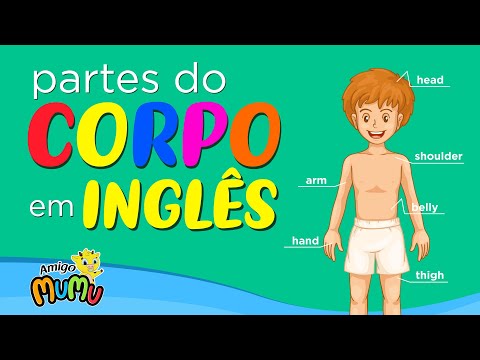
Partes do Corpo Humano em Inglês | Partes do Corpo em Inglês
Partes do Corpo Humano em Inglês | Partes do Corpo em Inglês Aprenda as partes do corpo humano em inglês, aprender inglês ...
How to Practice and Retain Body Parts Vocabulary
Consistent practice is the key to mastering partes do corpo humano ingles, and there are several effective strategies you can use. Labeling diagrams, using flashcards, and repeating terms aloud help reinforce memory. You can also practice by describing your own body in English, pointing to each part as you name it.
Another useful technique is to integrate new vocabulary into sentences, such as "My knee hurts after running" or "I feel tension in my lower back." This not only strengthens recall but also teaches you how to use the words in real-life situations. Over time, referring to partes do corpo humano ingles will become quick and natural.
In summary, learning the names of partes do corpo humano ingles improves your ability to communicate clearly in medical, educational, and everyday settings. By understanding the major regions, detailed structures of the head and limbs, and practical ways to review the vocabulary, you build a skill that supports both language growth and personal awareness. Committing these terms to memory empowers you to describe your body, follow instructions, and engage in conversations with greater ease and accuracy.