Table of Contents
Exploring nomes de brinquedo em inglês can turn a simple play session into a fun language lesson, as children learn the English names for toy car, doll, blocks, and teddy bear while they play.
Why Learning Toy Names in English Matters for Kids
When children hear and use nomes de brinquedo em inglês like ball, car, and puzzle, they build vocabulary that supports early speaking and listening skills. Toys are familiar objects, so they make excellent labels for little learners to practice new sounds and words. Using English names during play also helps kids connect language with action, such as pushing a toy car or stacking colorful blocks.
Teachers and parents can turn everyday play into gentle language practice by saying the word clearly and inviting the child to repeat it. Over time, phrases like “Where is the teddy bear?” or “Let’s roll the ball” become natural, strengthening comprehension and confidence. These small moments add up, giving children a playful foundation in English that feels as easy as taking another step with their favorite nomes de brinquedo em inglês.
Common English Toy Words Every Child Should Know
Some of the most useful nomes de brinquedo em inglês are simple and concrete, such as doll, train, and drum. These words appear often in homes, classrooms, and picture books, making them easy to practice in many situations. Children can point to a doll and say “doll,” push a train and say “train,” or tap a drum and say “drum,” linking sound, object, and movement.
Below is a short list of popular toy names that are great to start with:
- Ball
- Car
- Doll
- Train
- Blocks
- Puzzle
- Teddy bear
- Robot
- Drum
- Kite
By repeating these nomes de brinquedo em inglês during games and routines, children build a solid base for more complex sentences later on.
Toy Categories to Expand Vocabulary Naturally
Grouping nomes de brinquedo em inglês into categories helps children notice patterns and remember words more easily. For example, action toys like race car, airplane, and robot share themes of movement and imagination, while quiet toys such as book, crayon, and coloring set encourage focus and creativity.
Sorting toys into groups also gives adults a simple way to introduce new words during play. You might say, “Let’s find all the soft toys,” as the child touches pillow, plush, and stuffed animal, hearing each nomes de brinquedo em inglês in a gentle, connected way. Over time, these categories become mental shelves where new words can be stored and retrieved with ease.
Action Verbs and Phrases That Pair with Toys
Learning nomes de brinquedo em inglês is even more powerful when children also hear the action words that go with them, such as jump, spin, and build. A simple phrase like “The car jumps over the block” turns a single word into a tiny story that sparks curiosity and imagination.
Encourage kids to give commands using these toy-action combinations, like “Roll the ball” or “Open the dollhouse,” so they practice both vocabulary and sentence structure. As they experiment with verbs and toy names, they gain confidence in expressing what they see, feel, and create in play.
Using Songs, Rhymes, and Stories with Toy Names
Songs and rhymes that include nomes de brinquedo em inglês make memorization feel like play rather than study. A tune about a teddy bear, a little ball, and a spinning top can turn a handful of words into a memorable musical moment that children want to repeat.
Stories are another rich place to encounter toy vocabulary, as characters talk, laugh, and solve problems using the very words children are learning. When a storybook shows a brave robot or a curious kitten, and the narrator highlights each nomes de brinquedo em inglês, listeners connect meaning, image, and sound in a single experience. Over time, these enjoyable encounters with songs and stories help new words feel familiar and easy to use.
Tips for Parents and Teachers to Practice Toy Vocabulary
Creating a language-rich environment with nomes de brinquedo em inglês can be as simple as labeling toys in the room and using them in short, clear phrases. During free play, adults can gently model the words by saying, “Do you want the red car?” or “Look, the blocks are falling,” giving children multiple chances to hear and imitate the sounds.
Another effective approach is to follow the child’s lead, repeating the toy name when they point or gesture, and then expanding the idea with one or two extra words. If a child says “ball,” an adult can respond with “Yes, let’s roll the ball,” turning a single nomes de brinquedo em inglês into a small, meaningful sentence. With patience and playful repetition, these everyday moments build lasting confidence with English toy words.
Related Videos
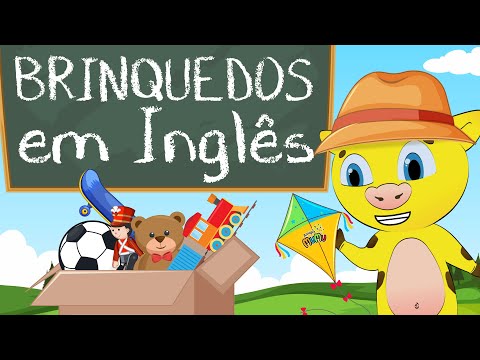
Brinquedos em Inglês | Nome dos Brinquedos em Inglês
Nesse vídeo você aprenderá o nome de alguns brinquedos em inglês, aprenda inglês de um jeito fácil e divertido com o Amigo ...
Conclusion
Discovering nomes de brinquedo em inglês through play, songs, and shared stories makes language learning feel natural and joyful for children. By practicing familiar words like ball, car, and teddy bear in real situations, young learners connect sound, meaning, and action in a way that supports long-term memory. With consistent, positive exposure, these toy names become stepping stones toward richer vocabulary and confident communication in English.
