Table of Contents
Looking for a comidas em inglês lista that is practical, easy to remember, and useful in real conversations is a great way to start building confidence in English in the kitchen and at the table. Whether you are cooking at home, reading a recipe, ordering at a restaurant, or talking about food with friends, knowing the right words for each item on a comidas em inglês lista helps you express yourself clearly and avoid confusion. This guide brings together the most common foods, useful tips for learning them, and practical examples so you can start using them right away.
Basic Food Items Everyone Should Know
A solid comidas em inglês lista begins with basic food items that appear in almost every meal. These include staple ingredients like bread, rice, pasta, eggs, milk, butter, cheese, and yogurt, which form the foundation of many dishes around the world. Learning these words first gives you a strong base for talking about simple meals, describing what you eat for breakfast, or following a recipe step by step.
When building your comidas em inglês lista, it is helpful to group these items by category, such as grains, dairy, and proteins. For example, you can practice phrases like I eat bread with butter, She drinks milk every morning, or They serve pasta with cheese. Repeating these sentences aloud and connecting each word to a real object or picture makes it easier to remember and use them naturally in conversation.
Fruits and Vegetables for a Balanced Vocabulary
Fruits and vegetables are essential parts of a healthy diet and an important part of any comidas em inglês lista. Common fruits include apple, banana, orange, strawberry, grape, and mango, while popular vegetables include carrot, broccoli, tomato, potato, onion, and lettuce. Knowing these words helps you shop, cook, and talk about healthy eating habits in English.
To get the most from your comidas em inglês lista, try to learn the names of fruits and vegetables in context. For example, visit a supermarket and read the labels, prepare a simple salad while naming each ingredient out loud, or describe your favorite fruit using phrases like It is sweet and red or It is small and yellow. These real-life activities improve both your vocabulary and your confidence at the same time.
Meat, Fish, and Protein Options
For many people, a comidas em inglês lista is not complete without words for meat, fish, and other protein sources. Common examples include chicken, beef, pork, lamb, salmon, tuna, shrimp, and egg. These words appear frequently in menus, recipes, and everyday conversations about food, so learning them is very useful.
When studying these items, you can practice describing how you cook them or how you usually eat them. Sentences like I prefer grilled chicken, She loves baked salmon, or They cook shrimp on weekends help you combine vocabulary with grammar naturally. Over time, you will be able to talk about your diet, preferences, and culinary experiences without hesitation.
Snacks, Sweets, and Popular Treats
Snacks and sweets add flavor and personality to a comidas em inglês lista, especially when you talk about daily routines, celebrations, or comfort food. Words like cookie, cake, candy, chocolate, ice cream, popcorn, and chips are widely recognized and used in English-speaking environments. Including them in your vocabulary makes your language more colorful and relatable.
To remember these words more easily, associate them with specific moments or feelings. For example, you might say I eat ice cream when I am happy, She shares chocolate with her friends, or They enjoy popcorn during movies. Connecting new words to personal experiences strengthens your memory and helps you use them more naturally in real situations.
Useful Tips to Expand and Practice Your Food Vocabulary
Building a strong comidas em inglês lista takes time, but smart strategies can speed up the process and make it more enjoyable. One effective method is to keep a small notebook or digital note where you write new food words every time you encounter them while reading, watching movies, or talking with native speakers. Reviewing these notes regularly, especially before cooking or shopping, helps turn short-term memory into long-term knowledge.
Another powerful technique is to use the new vocabulary in full sentences and real-life scenarios. Instead of just memorizing isolated words, create mini dialogues such as Can I have the menu, please, How much is the pizza, or I would like a salad and a juice. Speaking, writing, and listening to food-related phrases in context improves your pronunciation, comprehension, and ability to respond quickly during actual conversations.
Related Videos
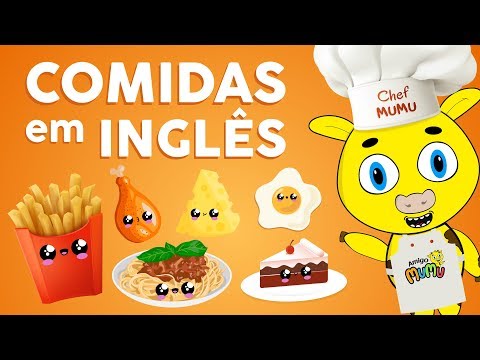
Comidas em inglês - Alimentos em inglês
Olá amiguinho, nesse vídeo você vai aprender como falar e escrever o nome de algumas comidas em inglês. Aprenda inglês de ...
Cultural Differences and Regional Variations
When you explore a comidas em inglês lista, it is important to notice that food names and eating habits can vary between regions and cultures. For example, some countries use different words for similar dishes, like chips in British English versus fries in American English, or aubergine compared to eggplant. Understanding these differences helps you communicate more accurately and avoid misunderstandings.
Learning about food culture also makes your vocabulary more interesting and practical. You can discover traditional dishes, special ingredients, and typical meal structures by watching cooking shows, reading recipes, or talking with people from different English-speaking backgrounds. This cultural knowledge not only enriches your comidas em inglês lista but also deepens your overall appreciation for the language.
In the end, a well-organized comidas em inglês lista is more than just a collection of words; it is a tool that helps you navigate menus, follow recipes, share your food experiences, and connect with others in everyday situations. By learning basic items, fruits and vegetables, proteins, snacks, and cultural variations, and by practicing regularly in real contexts, you gradually build the confidence and skills needed to talk about food with fluency. Keep exploring, stay curious, and enjoy every step of your language journey.
