Table of Contents
Exploring atividades frutas em ingles is a vibrant way to build vocabulary while celebrating the diversity of fruits through engaging, hands-on experiences in English.
Vocabulary Building with Fruit Names in English
When you focus on atividades frutas em ingles, the first step is always expanding your core vocabulary of fruit names. You will move beyond basic apple, banana, and orange to discover exciting words like kiwi, papaya, passion fruit, and dragon fruit. Practicing pronunciation and spelling with these terms strengthens your phonetic awareness and builds confidence in everyday English communication.
Grouping fruits by color, size, or taste is a simple yet powerful technique for retention. For example, you can categorize red fruits such as strawberry, cherry, and raspberry, or citrus fruits like lemon, lime, grapefruit, and tangerine. This mental organization not only helps you remember the words but also prepares you for more complex atividades frutas em ingles that involve descriptions and comparisons in real-life contexts.
Interactive Fruit Sorting and Matching Games
One of the most effective atividades frutas em ingles involves sorting and matching real images, plastic models, or flashcards. You can sort fruits into categories such as tropical, temperate, berries, or stone fruits while practicing phrases like this is a mango or these are grapes. Matching games where you pair the English name with the picture reinforce visual memory and speed up word recognition.
Digital versions of these games, available on language-learning apps and websites, add an extra layer of engagement. You might drag and drop fruit names onto corresponding images or listen to a word and select the correct picture. These interactive formats simulate real-world scenarios, turning abstract vocabulary into practical skills that you can apply during shopping, cooking, or travel conversations.
Role-Play Scenarios in Markets and Kitchens
Role-playing is a dynamic way to bring atividades frutas em ingles to life, especially in settings like a farmer’s market or a home kitchen. You can act as a customer asking for specific fruits, inquiring about price, quantity, and ripeness, while your partner plays the vendor responding with useful expressions. Phrases like How much is this?, Do you have organic apples?, and Can I have a kilogram of bananas become tools for real communication rather than isolated sentences.
In a kitchen role-play, you can follow English recipes that include fruits, practicing imperative verbs and sequence words like first, then, and finally. Chopping an apple for a fruit salad, blending a smoothie with banana and berries, or preparing a tropical dessert with pineapple and coconut milk turns language learning into a multisensory experience. These activities naturally introduce measurement words, time expressions, and descriptive adjectives related to taste and texture.
Creative Storytelling and Songs About Fruits
Another enjoyable path in atividades frutas em ingles is using fruits as characters in simple stories or songs. Children and adult learners alike can create narratives where an apple goes on an adventure, a banana solves a mystery, or a group of fruits throw a party in a garden. This approach encourages the use of pronouns, prepositions of place, and past or future verb tenses in a low-pressure, imaginative context.
Singing along to English songs that mention fruits helps with rhythm, pronunciation, and long-term memory. Catchy tunes that repeat phrases like apple, banana, mango, and you make it easier to recall words during spontaneous conversation. You can even write your own verses, substituting fruits and actions, which reinforces both vocabulary and basic grammar structures in a playful way.
Cooking Projects and Sensory Exploration
Hands-on cooking projects form a delicious branch of atividades frutas em ingles, especially when you describe each step in English. Following a recipe in English exposes you to imperative mood, numbers, and time-related vocabulary, while sensory language such as crunchy, juicy, sweet, and tart enhances your descriptive abilities. Talking or writing about how the fruit smells, looks, and tastes deepens your connection to the vocabulary.
You might prepare a fruit salad, a smoothie bowl, or homemade fruit popsicles while narrating your actions in English. Discussing which fruits pair well together, how ripe they should be, and how to store them introduces practical, everyday language. These projects are ideal for classrooms, language exchange meetups, or family activities, turning the kitchen into a vibrant learning space.
Related Videos
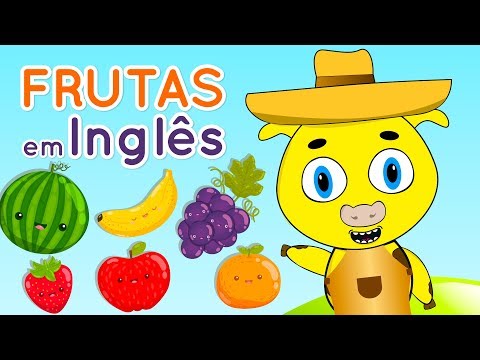
Frutas em inglês - Nome das frutas em inglês - Como falar as frutas em inglês
Frutas em inglês - Nome das frutas em inglês - Como falar as frutas em ingles Aprenda a falar o nome das frutas em inglês, essa ...
Outdoor Exploration and Real-World Practice
Taking your atividades frutas em ingles outdoors transforms vocabulary from abstract words into tangible experiences. Visiting a local market, orchard, or grocery store with a list of fruits in English turns the errand into a treasure hunt where you check off items as you find them. You can ask questions, compare prices, and practice polite phrases, building real-world confidence.
In nature, you can collect different fruits, observe their shapes and colors, and label them with sticky notes. Photographing fruits during a walk and later describing them in a journal or with a language partner integrates speaking, writing, and vocabulary in a natural flow. This connection to the real world helps the language feel alive and immediately useful, rather than something confined to a textbook.
By weaving these atividades frutas em ingles into your routine, you turn fruit study into a memorable adventure that sharpens both language skills and curiosity. Whether through games, role-play, songs, cooking, or outdoor exploration, each activity brings you closer to fluency while celebrating the colorful world of fruits in English.
%22%3E%0A%3Cstop%20offset%3D%220%22%20stop-color%3D%22%23365314%22%2F%3E%0A%3Cstop%20offset%3D%220.55%22%20stop-color%3D%22%2384cc16%22%2F%3E%0A%3Cstop%20offset%3D%221%22%20stop-color%3D%22%23bef264%22%2F%3E%0A%3C%2FlinearGradient%3E%0A%3CradialGradient%20id%3D%22r%22%20cx%3D%220.5%22%20cy%3D%220.35%22%20r%3D%220.7%22%3E%0A%3Cstop%20offset%3D%220%22%20stop-color%3D%22%23fff%22%20stop-opacity%3D%220.18%22%2F%3E%0A%3Cstop%20offset%3D%221%22%20stop-color%3D%22%23fff%22%20stop-opacity%3D%220%22%2F%3E%0A%3C%2FradialGradient%3E%0A%3C%2Fdefs%3E%0A%3Crect%20width%3D%22400%22%20height%3D%22225%22%20fill%3D%22url(%23g)%22%2F%3E%0A%3Ccircle%20cx%3D%22186%22%20cy%3D%229%22%20r%3D%2233%22%20fill%3D%22%23bef264%22%20fill-opacity%3D%220.25%22%2F%3E%0A%3Ccircle%20cx%3D%2233%22%20cy%3D%2269%22%20r%3D%2218%22%20fill%3D%22%23365314%22%20fill-opacity%3D%220.35%22%2F%3E%0A%3Crect%20width%3D%22400%22%20height%3D%22225%22%20fill%3D%22url(%23r)%22%2F%3E%0A%3Ctext%20x%3D%22200%22%20y%3D%22155%22%20text-anchor%3D%22middle%22%20font-family%3D%22-apple-system%2CSegoe%20UI%2CRoboto%2Csans-serif%22%20font-size%3D%22170%22%20font-weight%3D%22800%22%20fill%3D%22%23fff%22%20fill-opacity%3D%220.12%22%3ED%3C%2Ftext%3E%0A%3C%2Fsvg%3E)
