Table of Contents
- Understanding the Basics of Body Parts Vocabulary in English
- Fun Movement Activities to Practice Body Parts in English
- Using Songs and Rhymes to Strengthen Memory
- Incorporating Visual Aids and Flashcards
- Adapting Activities for Different Age Groups and Skill Levels
- Encouraging Collaboration and Communication
- Conclusion
Exploring atividade partes do corpo ingles is a fantastic way to combine language learning with physical movement, helping students of all ages connect English vocabulary with real‑world actions and body awareness.
Understanding the Basics of Body Parts Vocabulary in English
When you start working with atividade partes do corpo ingles, it is essential to build a solid foundation of the most common body parts in English. Words like head, shoulders, knees, and toes are not only easy to pronounce but also easy to demonstrate, making them perfect for beginners. Including clear visual references or simple drawings can help learners associate the spoken word with the correct part of the body, reinforcing memory through multiple senses. Consistency in naming these parts during each activity ensures that students gradually internalize the vocabulary without feeling overwhelmed.
In an atividade partes do corpo ingles, you can introduce singular and plural forms naturally, such as hand/hands, foot/feet, and ear/ears, while practicing pronunciation and listening skills. Encouraging students to touch the corresponding part when they hear the word strengthens the connection between language and physical experience. Teachers and parents can also use simple commands like “Touch your nose” or “Clap your hands” to create an interactive and responsive learning environment. This basic vocabulary serves as the building block for more complex instructions and descriptions later on.
Fun Movement Activities to Practice Body Parts in English
One of the most effective ways to run an atividade partes do corpo ingles is by incorporating movement games that get everyone active and engaged. For example, you can play a version of Simon Says using English commands related to body parts, such as “Simon says touch your elbows” or “Simon says stomp your feet.” These games improve listening comprehension, reaction time, and pronunciation while keeping the atmosphere lively and enjoyable. Adding music or a rhythmic beat can further enhance the experience, encouraging learners to move in time with the language.
Another popular option is a body parts scavenger hunt, where students move around the room or outdoor space to find objects or flashcards that match the vocabulary they are learning. During an atividade partes do corpo ingles, you can call out a word like “wrist” or “ankle,” and learners must quickly locate or point to a corresponding item or body part. This variation promotes quick thinking, reinforces spelling, and allows for repeated exposure to the target language in a dynamic context. It is especially effective in group settings, where collaboration and friendly competition boost motivation.
Using Songs and Rhymes to Strengthen Memory
Songs and rhymes are powerful tools for an atividade partes do corpo ingles because they combine rhythm, melody, and repetition to make vocabulary stick. Classic children’s songs that mention body parts, such as “If You’re Happy and You Know It” or “Head, Shoulders, Knees and Toes,” provide a familiar structure that learners can easily follow. By singing along and performing the actions, students naturally repeat key terms in a low-pressure, enjoyable setting. This auditory and kinesthetic combination supports long-term retention and boosts confidence in speaking English.
You can also create simple classroom rhymes or chants that focus specifically on less familiar body parts, such as “thumb,” “wrist,” or “heel,” turning them into catchy phrases that are easy to recall. During an atividade partes do corpo ingles, encourage learners to clap or use finger plays while reciting these rhymes to deepen their muscle memory. Group recitations also foster a sense of community, as students listen to each other’s pronunciation and support one another in mastering new words. Over time, these songs and chants become a fun and effective review tool.
Incorporating Visual Aids and Flashcards
Visual aids play a crucial role in an atividade partes do corpo ingles, especially for younger learners or those who are just beginning to grasp English vocabulary. Flashcards with clear images of eyes, ears, mouth, and other body parts can be used for quick recognition drills, where students hold up the correct card when a word is called out. Pairing these visuals with gestures or actions, such as pointing to their own eyes or tapping their shoulders, reinforces understanding and keeps the activity interactive. Teachers can rotate flashcards rapidly to challenge listening speed and accuracy, turning practice into an exciting game.
You can also create life‑size drawings or posters of a human body and invite students to label the parts during an atividade partes do corpo ingles. Using sticky notes or magnetic labels allows for repeated participation, as learners can move the labels to different body areas and correct each other in a supportive way. This method is particularly useful for teaching more complex terms such as “shoulder,” “knee,” or “heel,” which may not appear in everyday songs or games. Visual reinforcement ensures that students connect the English word with a clear mental image.
Adapting Activities for Different Age Groups and Skill Levels
An atividade partes do corpo ingles can be easily tailored to suit various age groups, from toddlers to adults, by adjusting the complexity of the vocabulary and the level of physical activity. For young children, focus on basic words and simple actions, such as “touch your head” or “wave your hand,” while incorporating lots of singing and play. Older students can handle more challenging terms, such as “elbow,” “chin,” or “back,” and can even practice spelling these words during movement breaks. This flexibility makes the activity suitable for both classroom teachers and parents looking for engaging at‑home practice.
For learners with intermediate or advanced English skills, you can expand an atividade partes do corpo ingles into descriptive or conversational tasks. Ask students to describe where a pain is located using phrases like “My knee hurts” or “I feel tension in my shoulders,” combining body parts with health vocabulary and sentence structure. This approach not only reviews the basic words but also helps students use them in meaningful, real‑life contexts. By varying the difficulty, you keep the activity fresh and beneficial for a wide range of English learners.
Encouraging Collaboration and Communication
Collaboration is a natural outcome of many atividade partes do corpo ingles, as students often work in pairs or small groups to complete movement challenges and games. Activities like mirroring, where one student performs an action and the other copies it while naming the body part, promote listening, speaking, and turn‑taking skills. These interactions create a low‑anxiety environment where learners feel comfortable experimenting with English pronunciation and gestures. The social aspect of the activity also increases motivation, as students support each other and celebrate small victories together.
Teachers can further enhance communication by asking open‑ended questions during an atividade partes do corpo ingles, such as “Which body part helps you see?” or “What do you use your hands for?” This encourages students to think in English beyond simple commands and develop richer language patterns. When learners explain their actions or describe how a movement feels, they build both vocabulary and confidence. Ultimately, these collaborative moments turn a simple vocabulary exercise into a dynamic speaking and listening experience.
Related Videos
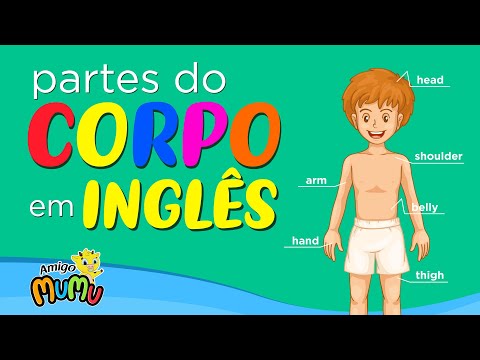
Partes do Corpo Humano em Inglês | Partes do Corpo em Inglês
Partes do Corpo Humano em Inglês | Partes do Corpo em Inglês Aprenda as partes do corpo humano em inglês, aprender inglês ...
Conclusion
An atividade partes do corpo ingles is a versatile and effective approach to learning English that combines language, movement, and fun. By introducing clear vocabulary, using engaging games and songs, incorporating visual aids, and adapting activities to different skill levels, educators and parents can create an immersive and memorable experience. This method not only strengthens knowledge of body parts but also improves listening, speaking, and confidence in using English in everyday situations. With creativity and consistency, learners of all ages can enjoy mastering English through active, hands‑on practice.
