Table of Contents
Exploring atividade frutas em ingles is a fantastic way to combine language learning with healthy eating habits, turning simple fruit names into an engaging English exercise. Whether you are a student, a teacher, or someone who loves nutrition, using fruit vocabulary in dynamic activities helps build confidence and practical communication skills in everyday English. This approach makes language practice feel natural, since everyone interacts with fruits at the grocery store, the market, or the dinner table, so you can easily create scenarios where you describe colors, tastes, textures, and origins in full sentences. By turning atividade frutas em ingles into a playful routine, you reinforce pronunciation, spelling, and listening comprehension while also learning about different cultures and seasonal produce.
Why Fruit Vocabulary Is a Great Starting Point for English Learners
Fruit words are often some of the first English vocabulary items people learn because they appear in so many real-life situations, from breakfast menus to science lessons about nutrition. Starting with atividade frutas em ingles allows beginners to build a solid base of nouns that are concrete, easy to visualize, and frequently repeated in daily conversations. You can practice simple structures like "I like apples" or "Do you have bananas?" while gradually adding adjectives such as ripe, sweet, sour, and fresh. Because fruits are universal, learners from different backgrounds can share personal experiences, making the language more memorable and relevant to their own lives.
Another advantage of focusing on fruit vocabulary is that it naturally introduces useful grammar patterns, such as countable and uncountable nouns, plural forms, and questions about quantity. For example, you can compare "one apple" with "three apples" or ask "How much juice do you want?" when talking about orange juice or apple juice. These small moments of practice during an atividade frutas em ingles help learners notice differences in English sentence structure without feeling overwhelmed. Over time, this foundation supports more complex discussions about diet, health, shopping, and even environmental topics like sustainability and food miles.
Designing Fun Activities Around Fruit Names and Descriptions
To make atividade frutas em ingles effective and enjoyable, you can design activities that involve listening, speaking, reading, and writing at different levels. For beginners, simple flashcards with pictures and words help connect sounds to meanings, while more advanced learners can role-play shopping scenarios or describe fruits without naming them for partners to guess. You might create a game where each person adds a fruit to a list, repeating all previous items to practice memory and sequencing, such as "I went to the market and bought an apple, a banana, and a mango." This kind of chain activity builds both vocabulary and confidence in speaking full sentences.
- Use flashcards to match fruit names with images and pronunciation.
- Play guessing games by describing color, shape, taste, and texture in English.
- Create shopping lists or menu plans that require asking and answering questions about fruit availability and price.
You can also integrate digital tools, such as word clouds or virtual fruit baskets, to visualize how often certain fruits appear in your diet or in stories. Recording short videos or audio clips of yourself describing fruits helps you notice pronunciation details and track progress over time. By varying the types of tasks in your atividade frutas em ingles, you keep the brain engaged and turn what could be repetitive drills into an interactive adventure full of colors, flavors, and sounds.
Connecting Fruit Vocabulary with Culture and Nutrition
An enriching part of atividade frutas em ingles is exploring how different cultures use fruits in their cuisines, festivals, and traditions. You can compare common fruits in English-speaking countries, such as apples in the United States or mangoes in parts of the Caribbean, and discuss how they are eaten, from fresh slices to pies and smoothies. This cultural angle encourages learners to ask questions like "What is your favorite fruit in summer?" and share recipes or memories, which deepens emotional engagement with the language. Talking about seasonality also introduces useful phrases related to weather, holidays, and local markets.
Nutrition is another natural link, because discussing fruits often leads to conversations about vitamins, fiber, and healthy habits. During an atividade frutas em ingles, you can practice phrases like "It is rich in vitamin C" or "This fruit is good for digestion," which are useful in both casual chats and professional settings such as healthcare or wellness. By combining language with meaningful topics, learners not only improve their English but also gain knowledge that can positively influence their daily choices. This makes each activity feel purposeful and relevant beyond the classroom or personal study time.
Practical Tips for Teachers and Self-Learners
Teachers can structure an atividade frutas em ingles around clear objectives, such as mastering the present simple tense or expanding descriptive vocabulary. Start with a warm-up that reviews basic fruit names, then move into pair work or group tasks where students must negotiate, compare, and explain their preferences. Visual aids like real fruits, pictures, or videos can lower anxiety for shy learners and spark spontaneous conversation. Including movement, such as sorting fruit cards around the room, also helps kinesthetic learners stay focused and energetic.
For self-learners, the key is to stay consistent and connect the language to personal experiences. You can keep a fruit journal in English, noting what you eat each day, how it tastes, and where you bought it. Use your atividade frutas em ingles sessions to record short voice notes, challenge yourself to use new adjectives, and revisit older recordings to measure improvement. Setting small, specific goals, such as learning the names of ten exotic fruits in one week, keeps motivation high and makes progress easy to track over time.
Related Videos
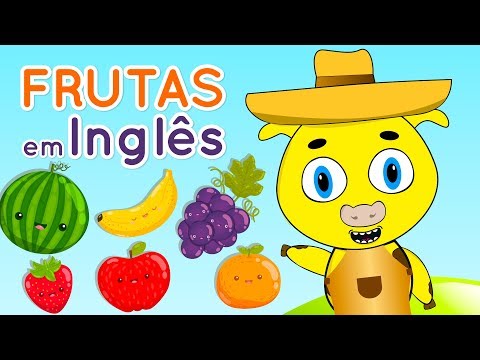
Frutas em inglês - Nome das frutas em inglês - Como falar as frutas em inglês
Frutas em inglês - Nome das frutas em inglês - Como falar as frutas em ingles Aprenda a falar o nome das frutas em inglês, essa ...
Taking Your Fruit English to the Next Level
Once you feel comfortable with basic fruit names and descriptions, you can expand your atividade frutas em ingles by exploring related topics like cooking, agriculture, and sustainability. Learn verbs such as peel, slice, blend, and juice, and practice telling step-by-step instructions for making fruit salad or a smoothie. This pushes your English from simple labeling to more complex sequencing and storytelling, where you narrate a recipe or explain how to grow a fruit tree. These advanced tasks build confidence in both everyday speaking and academic or professional contexts.
You might also dive into idioms and expressions that include fruit, such as "top banana" or "going bananas," which add personality and humor to your language use. Comparing similar fruits, like peach versus nectarine, helps you practice nuanced vocabulary and observation skills. By continually challenging yourself with new themes within the broad topic of fruit, you keep your English dynamic and engaging. The more you immerse yourself in atividade frutas em ingles, the more natural it becomes to think and communicate in English about the world around you.
In conclusion, atividade frutas em ingles is much more than a simple vocabulary exercise; it is a versatile and enjoyable pathway to stronger English communication, cultural awareness, and healthier living. By designing creative activities, connecting language to real life, and gradually increasing difficulty, you turn everyday fruits into powerful tools for learning. With consistent practice and an open curiosity, you will find that discussing apples, bananas, mangoes, and many other fruits becomes an exciting and rewarding part of your English journey.
